
Identifying funding fit and drafting strong R&D applications
Pathfinder series
11 February 2026
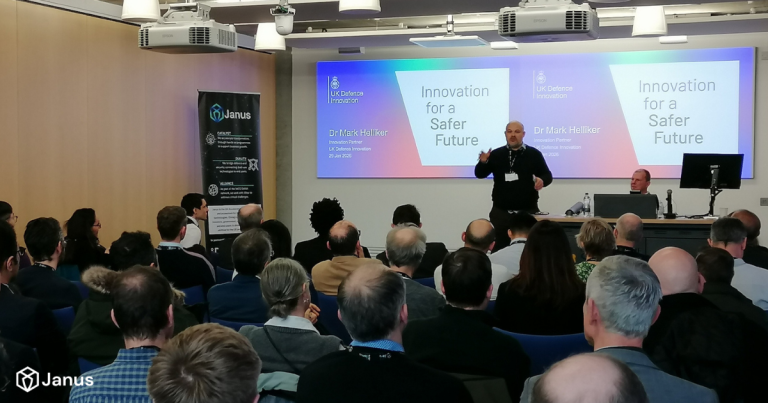
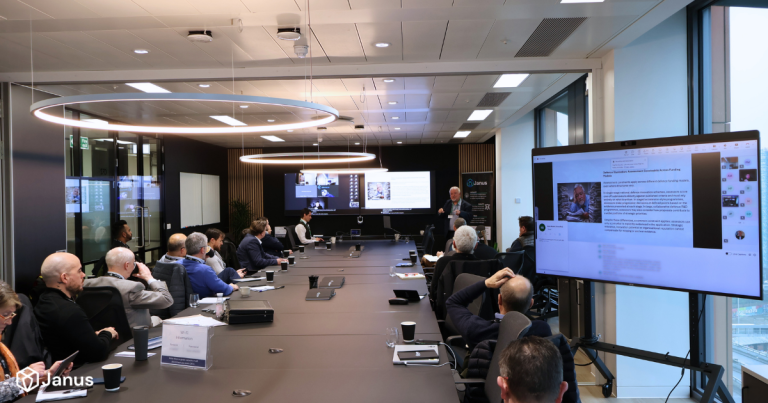
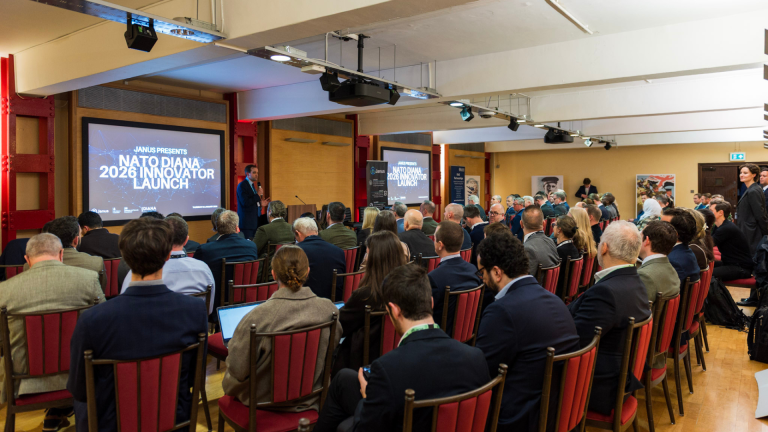
The first pathfinder event of 2026 brought together more than 250 attendees operating across the defence and dual use ecosystem. Led by Kevin Brooks, the session examined the realities of public R&D funding and the judgement required to navigate it with confidence. The conversation focused not on individual competitions but on the system that shapes them and the capabilities that organisations need to operate effectively within that system.
Public R&D funding is often discussed through the lens of opportunity. This workshop reframed it through the lens of intent. Funding programmes are created to address capability needs, influence innovation behaviour and manage long horizon risk. They are instruments of strategic policy and their structure reflects this purpose. Understanding that reality is the starting point for credible engagement.
Interpreting funding through strategic intent
Throughout the session Kevin emphasised that funding programmes are designed to achieve specific outcomes. Early-stage initiatives support exploration and evidence generation. Mid stage programmes are structured to reduce uncertainty and refine solutions. Later stage opportunities expect maturity, performance data and realistic paths to adoption.
These patterns repeat across defence, dual use and broader mission driven schemes. Recognising them allows organisations to interpret calls through the intentions that sit behind them. Strong performers develop judgement not by memorising programme details but by understanding why schemes are structured in certain ways and how those structures signal expectations.
Understanding scheme design and variability
Attendees were taken through the different types of funding schemes that operate across defence, dual use and civil contexts. The workshop emphasised that schemes vary deliberately in purpose, scale and expectations. Early-stage programmes support exploration and feasibility. Mid-stage schemes focus on refinement, testing and reduction of uncertainty. Later stage programmes expect clearer evidence and the ability to demonstrate performance in relevant environments.
Recognising these distinctions is essential when judging which opportunities are appropriate for a given technology or organisational position.
The Importance of Assessing Funding Fit
Kevin highlighted that a sizeable proportion of unsuccessful applications fail not because of weak ideas but because the opportunity itself is misaligned. Participants were encouraged to begin with a structured review of scheme intent, organisational capability, technology readiness and resourcing. This initial assessment forms the basis of an evidence led bid or no bid decision.
The session presented frameworks for interpreting competition documentation, identifying explicit and implicit requirements and assessing whether proposed work can be delivered credibly within given constraints.
How Applications Are Assessed in Practice
Kevin then provided a clear overview of how applications are reviewed within public funding systems. Assessors score directly against published criteria and must work within defined procedural constraints. They are not permitted to infer intent or fill gaps where evidence is missing. As a result, the strength of an application is determined by the clarity and relevance of what is written rather than the potential of what was intended.
Understanding this process helps applicants design responses that can be scored consistently and fairly.
Principles of Effective Drafting
The workshop concluded with a set of drafting principles that support stronger application development. Kevin outlined several recurring characteristics of well constructed submissions:
Clear alignment with assessment criteria
A problem or need that is defined precisely and supported by evidence
Accurate representation of technology readiness and uncertainty
A structured workplan that sets out activities, milestones and responsibilities
A team whose capability is relevant and proportionate to the work proposed
These principles allow organisations to present information in a way that supports transparent scoring and gives assessors confidence in both approach and delivery.
Closing Reflections
The session closed by reinforcing the idea that effective engagement with public R&D funding is a capability that develops over time. It requires structured decision making, disciplined interpretation of documentation and clear alignment between proposed work and scheme intent. By applying these principles consistently organisations can improve their likelihood of success and strengthen their overall approach to innovation funding.
We extend our thanks to Kevin Brooks for leading the session and for providing a clear and authoritative exploration of a complex topic. His contribution to the workshop was central to its clarity and effectiveness.
Share on social media