
Dual-use forum: future comms, space and autonomous vehicles
Pathfinder series
17 February 2026
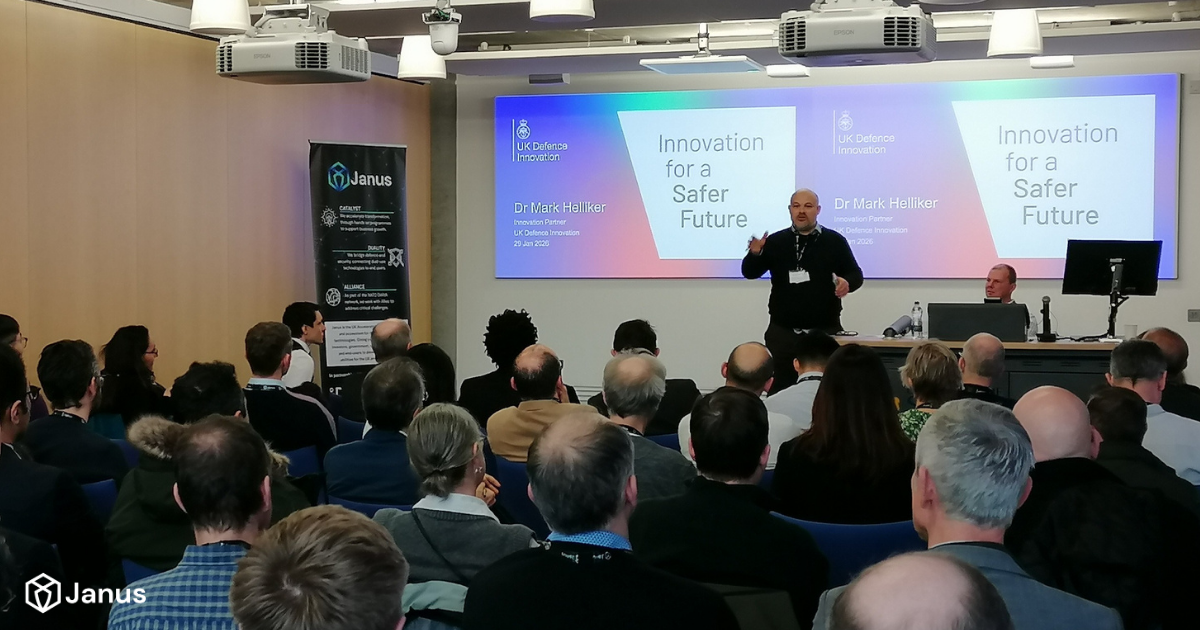
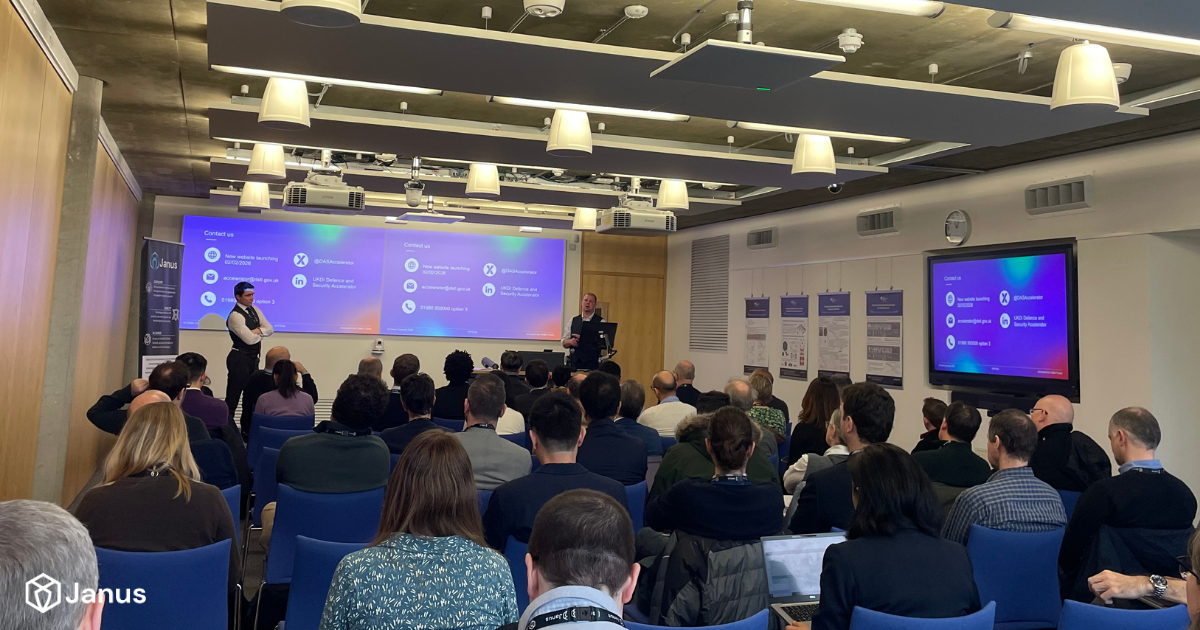
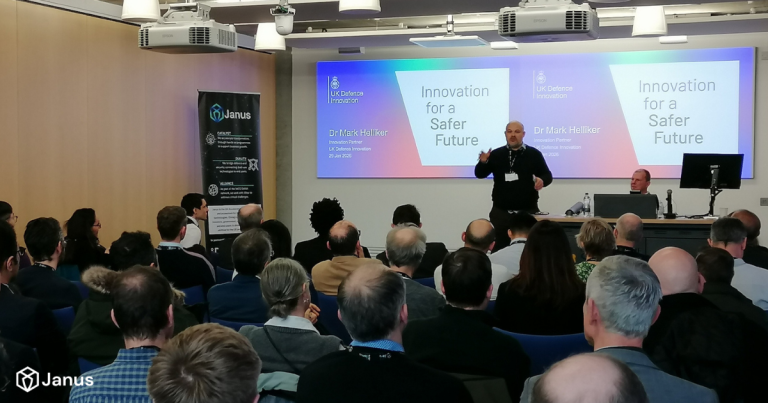
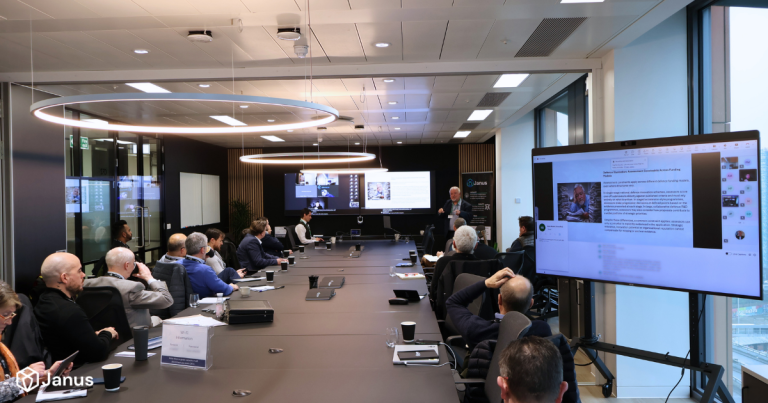
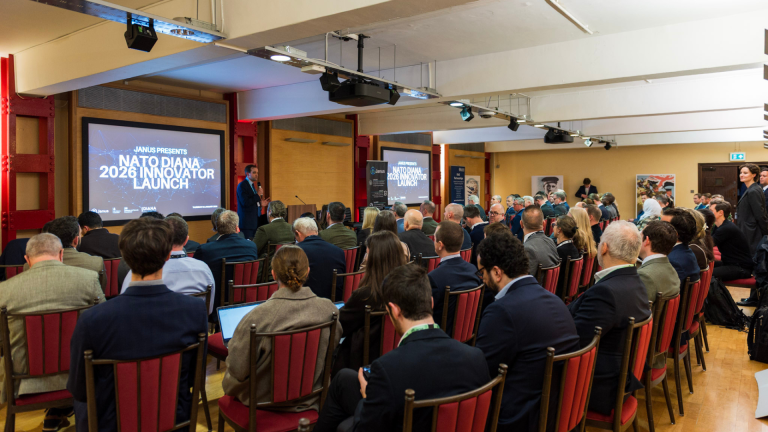
At the end of January, we hosted our first dual-use forum of 2026, focused on future communications, space technologies and autonomous vehicles. The session brought together innovators, academics, engineers and operators who are working on the technologies that will shape both defence and commercial markets in the coming years. The aim of this forum was to create an open space for people to speak frankly about the opportunities ahead and the barriers that still slow progress.
UK Defence Innovation (UKDI) – making defence innovation easier to navigate
Dr Mark Helliker from UKDI set the tone by outlining how the defence innovation landscape is shifting. A clear message throughout was the emphasis on speed to market, with a funding model built around 100% milestone-based contracts where innovators retain their IP. Early engagement is now encouraged through short Innovation Outlines, allowing teams to explore fit and shape proposals before investing significant time in full submissions.
UKDI also highlighted the role of technical and regional Innovation Partners who help innovators refine their ideas, understand user needs and identify realistic paths to demonstration and procurement. Priority areas continue to include sovereignty and supply-chain resilience, cyber and data, drones and counter-drone capabilities and technologies that address rapidly emerging threats. The overall direction is toward providing clearer front doors, faster support and more coherent routes to adoption.
Frequent themes of the event
Early engagement really matters
A strong theme throughout the room was the importance of engaging early rather than waiting until a project feels “ready”. Speaking with UKDI at outline stage helps innovators test assumptions, understand the real-world need and avoid heading down development paths that don’t align with user demand. Early conversations also help identify where a solution could be demonstrated and which buyers or units may be the most interested.
The system is changing but still hard to navigate
Participants recognised ongoing efforts to simplify the ecosystem but also pointed to the friction that remains. Procurement timelines are still slow; security requirements can create unexpected hurdles and contract structures often feel better suited to large primes than SMEs or university teams. While things are improving – through clearer challenges, expanded regional support and more consistent processes – innovators still need help mapping routes from concept to an actual purchase.
Commercialisation is still the toughest stage
The UK has no shortage of strong early-stage research, but many projects struggle in the transition between prototype and first customer. Defence timelines can be longer than investors expect and SMEs often face a cliff-edge between interest and adoption. IP concerns and supply-chain dynamics add complexity, and without a clear buyer, promising technologies can stall. There is growing recognition that bridging this gap – the “first customer” moment – is key to unlocking more innovation.
Technology priorities are shifting fast
Across discussions, several technical needs surfaced repeatedly. These included navigation systems that don’t rely on GNSS, on-board AI to allow autonomous platforms to complete missions without continuous operator input and growing demand for post-quantum resilience. Cost realism also came through strongly: technologies must match the price point and attrition rate of the platforms they sit on. For example, high-cost subsystems simply won’t be adopted on low-cost airframes. Fast-turnaround materials and manufacturing approaches were also highlighted as essential to accelerating iteration cycles.
Smaller teams are doing much of the innovation
Many of the most interesting solutions are coming from SMEs and spinouts building compact, adaptable technologies that challenge legacy approaches. These teams are quick to innovate but can struggle with later-stage hurdles such as security integration, export considerations and navigating the supply chain. Helping them connect earlier with end users and understand the requirements around data, security and operational fit is becoming increasingly important.
Thank you to our partners and speakers
We’re grateful to the University of Surrey for partnering with us on this dual-use forum, our speakers Dr Mark Helliker, UKDI’s innovation partner for the Southeast, and Michael Kohn, University of Surrey and Research Park’s innovation advisor, and our roundtable facilitator Alan Scrase, SETsquared Partnership’s defence expert.
A big thank you as well to everyone who contributed to the conversations throughout the day.
Share on social media